

What Is The Source Of Genetic Makeup For The Human Body?
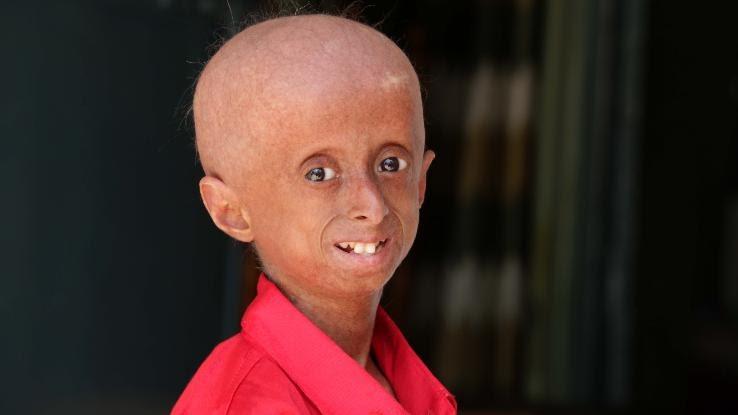
The human body's development can be a catchy business organisation. Dissimilar DNA sequences and genomes all play huge roles in things like immune responses and neurological capacities. The genomes people possess are deciding factors in everything all the fashion down to the color of their eyes, hair and pare tone. When a mutation happens in a genome, it tin can lead to some unique situations when information technology comes to how a person's body looks, how their mind works and how they're able to use their body.
Uner Tan Syndrome
Uner Tan syndrome was named later on a famed Turkish evolutionary biologist after he documented a family living with this condition. People with Uner Tan walk on all fours and often have limited mental capacities and linguistic communication skills.
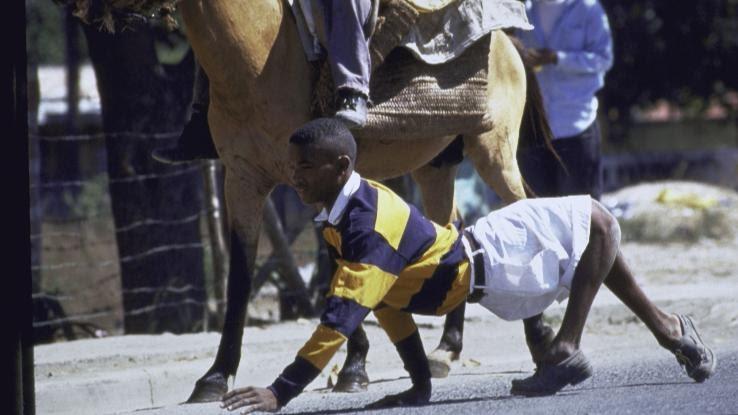
This quadrupedal gait has been attributed to interfamilial reproduction throughout history and is known as an autosomal recessive disorder, significant a kid has to have two copies of the abnormal cistron that causes the syndrome. It'due south as well been argued that people develop Uner Tan if they learned to walk on all fours as infants, making balance on 2 legs very difficult.
Hypertrichosis
Known colloquially as "werewolf syndrome," hypertrichosis is a rare genetic mutation that leads to excessive hair growth on all parts of the trunk. Both males and females can develop the condition, and but effectually xl people with the disorder have been documented across the world.
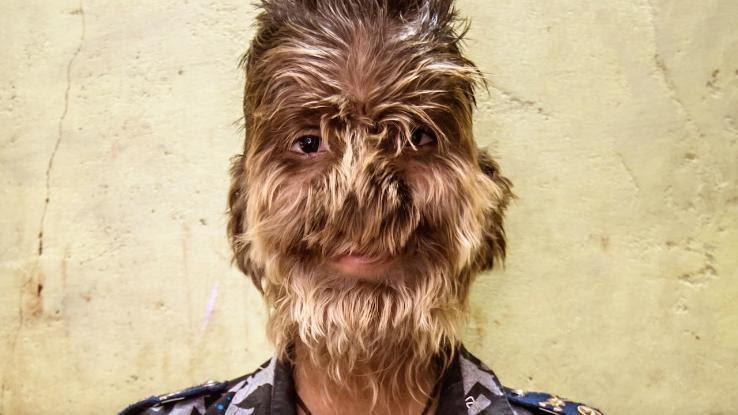
Hypertrichosis can be either congenital, in which a mutated gene causes it, or acquired, which means that the disorder develops later in life due to exterior factors. Acquired cases are more common and can be attributed to medication utilise, cancers and eating disorders.
Epidermodysplasia Verruciformis
The autosomal recessive skin condition improve known as "treeman syndrome" happens due to a human papillomavirus (HPV) infection. While the torso is dealing with HPV, the infection tin can lead to skin growths that resemble rough tree bark or wood.
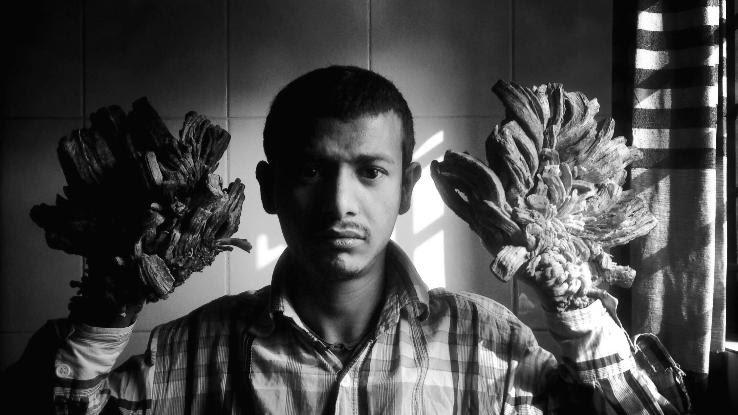
The status can spread to the unabridged body just is more probable to stay localized in areas such every bit the easily or artillery, and there's no treatment for the disorder. The status affects the body's natural process of sending proteins to zinc stores, leading to the production of the growths.
Severe Combined Immunodeficiency Disorder
When genetic mutations alter the functional development of both T and B cells in a person'south trunk, they tin develop severe combined immunodeficiency (SCID). This creates issues when information technology comes to being out in a world full of germs considering the disorder makes people highly susceptible to getting infections.
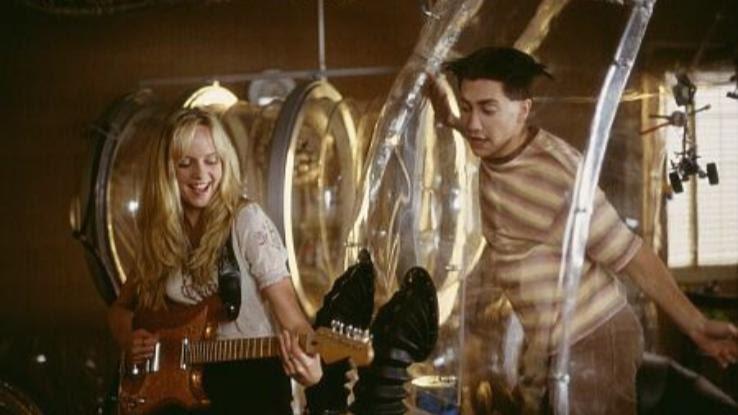
Many people who develop the disorder cannot come up into contact with anything outside of their personal disinfected environment. The movie Bubble Boy depicts a grapheme with SCID who can't leave his safe space, lest he risk death, and in real life, it's a much more heartbreaking situation than in the film.
Progeria
Progeria — or Hutchinson-Gilford progeria syndrome (HGPS) — is an autosomal genetic condition that is found in i in every 4 to 8 million people. The genetic disorder causes a person to age significantly faster than the average person.
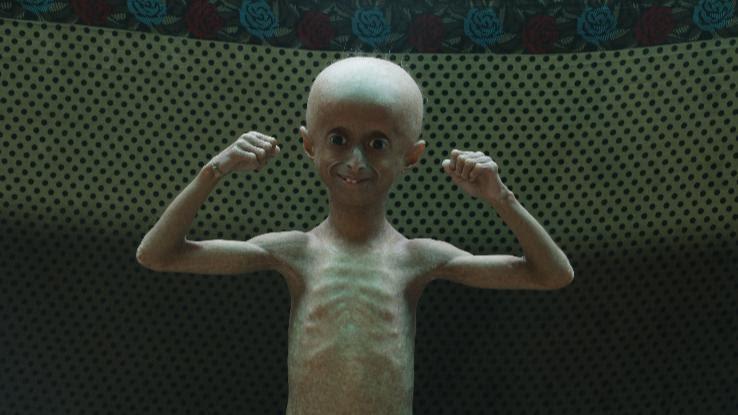
Progeria starts to brandish symptoms within a kid'southward first few months of life, and more usually appear by the age of xviii months. They include limited growth, pilus loss and a recessed jaw. Every bit the child ages, the disease may worsen and atomic number 82 to kidney failure, incomprehension and heart problems.
Lesch Nyhan Syndrome
Lesch Nyhan syndrome is a hereditary genetic mutation that happens when there is a deficiency of the factor-encoded enzyme HGPRT in a person'due south body. This enzyme is responsible for the proper function of uric acrid.
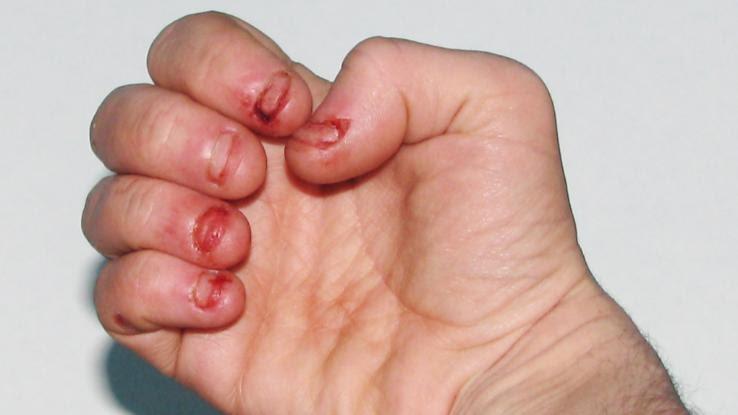
The status causes those who have it — around i in 400,000 people — to have neurological and cognitive impairments. It also often leads to self-mutilation, such as a person biting their nails down until they bleed. The disorder can also pb to kidney problems and gout.
Ectrodactyly
This congenital disorder happens in the womb when a person's hands don't develop properly. Typically, the middle fingers on the mitt don't form at all, simply sometimes only 1 may be missing. This results in a split appearance in the mitt.
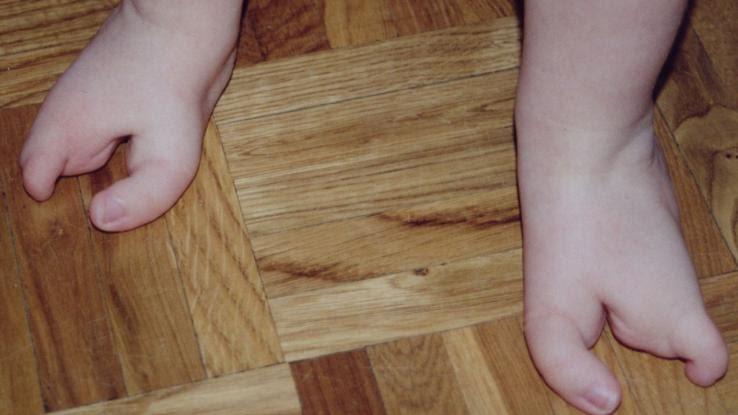
The middle finger and pointer finger are the main parts of the manus that are ordinarily affected, and the remaining pinky, thumb and band finger are often withal intact, creating a claw-like effect. Information technology can happen to the feet, besides. The appearances of the afflicted hands and feet differ from person to person.
Proteus Syndrome
The rare Proteus syndrome is a genetic mutation that causes tissues to grow abnormally. It also encourages tumor growth throughout an affected person's body. Named subsequently a Greek god that could change his shape, Proteus syndrome is rare and affects fewer than ane in 1 million people across the world.
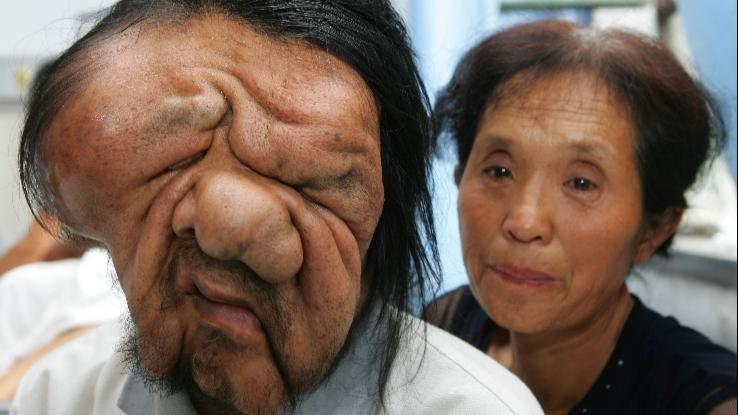
The condition happens when the mutation of the AKT1 kinase activates. Proteus syndrome usually develops over time in people with the factor. The syndrome has likewise been referred to equally "Elephant Man disease." This is a reference to the famous Joseph Merrick, who may have had the disorder.
Trimethylaminuria
A rare genetic syndrome that isn't seen just is smelled is trimethylaminuria (TMAU). Also known every bit "fish odor disease," the defect happens when a person's body'south production of flavin-containing monooxygenase 3 is compromised. This results in metabolic impairment.
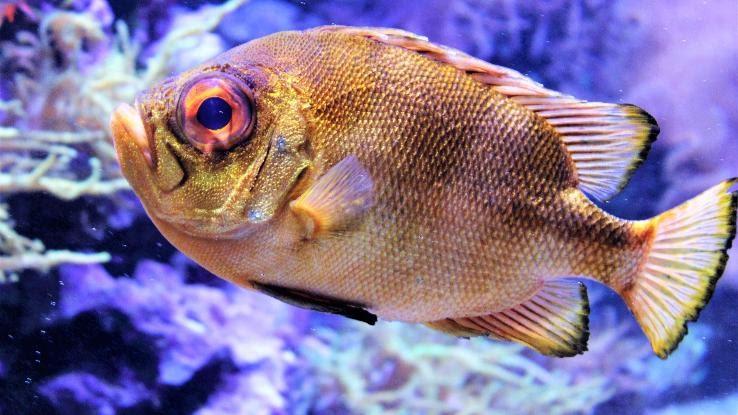
This disorder can lead to buildup of trimethylamine oxide in the torso, causing the person's sweat, urine and torso to odor like fish. The disorder can change in severity throughout a person's life, and the force of the odor can vary at whatsoever given time.
Marfan Syndrome
Marfan syndrome is a status that results in abnormalities in a person's connective tissues. People who take this disorder are oftentimes very tall and thin and may have a problem keeping fat on their bodies. It's been suggested that Abraham Lincoln had the condition. Marfan syndrome can also lead to scoliosis in some people.

The autosomal dominant disorder is acquired in the womb when the development of the FBN1 gene mutates. It's hereditary in 75% of all documented cases. Although there is no cure for Marfan syndrome, there is a handling for the disorder that can help people live healthier lives.
Anencephaly
When the rare genetic disorder anencephaly occurs, a fetus'south encephalon, skull and scalp develop abnormally — or sometimes non at all. This condition is one of the more tragic, as nigh all babies born with information technology don't live more than a few days by birth.
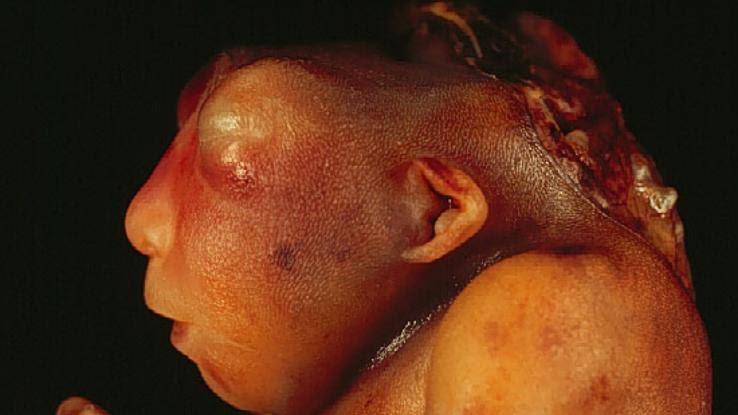
During the procedure of embryonic development, the neural tube that leads from the brain to the rest of the trunk is supposed to shut. When it doesn't, anencephaly develops. Those built-in with the condition — who survive — by and large confront a range of health problems and may need multiple surgeries to replace the missing skull sections, but survival is incredibly rare.
Tetrachromacy
Tetrachromacy is a status that occurs when a person develops a 4th cone of vision in their eye. This leads to the person being able to see many more colors than the boilerplate human being being can.
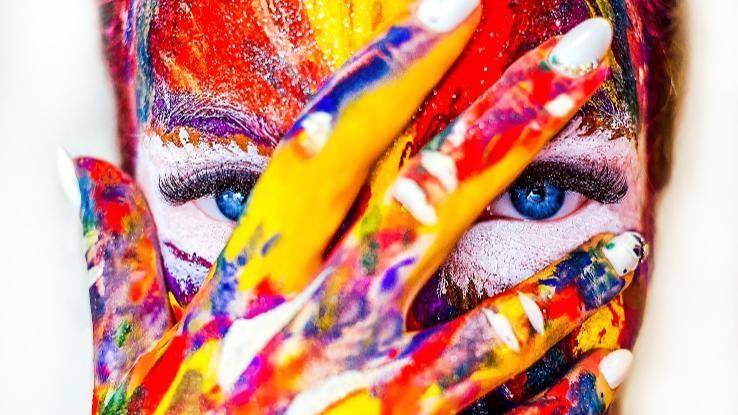
They can besides see more bright details in the things around them, which gives them a sort of "supervision." Their vision is so keen, in fact, that they're able to encounter over 100 1000000 colors. Considering the mutation is only passed through the Ten chromosome, the bulk of people with tetrachromatic vision are women.
Distichiasis
The phenomenon of distichiasis, otherwise known as double eyelashes, might be enviable in some circles, but it's actually a very rare genetic disorder caused past a factor mutation in the womb. Distichiasis can bear upon both optics and all iv lash lines, or it can be present in just one area of the lash line.
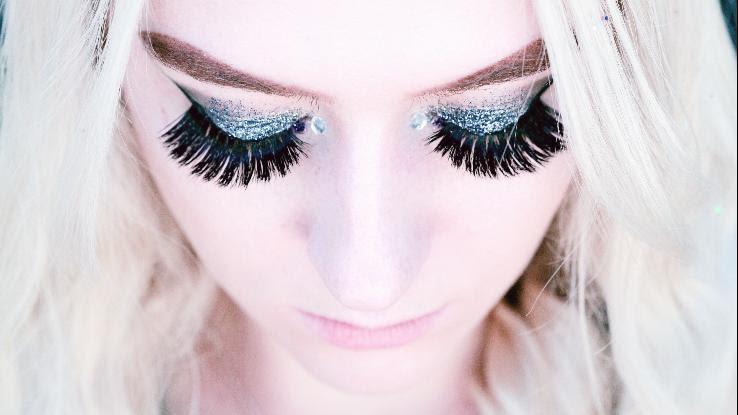
The FOXC2 gene is responsible for the genetic mutation, and it's not known why that mutation causes the double eyelashes. It'south typically more often attributed to heart bug afterwards on in life and lymphedema-distichiasis syndrome.
Sirenomelia
fifty
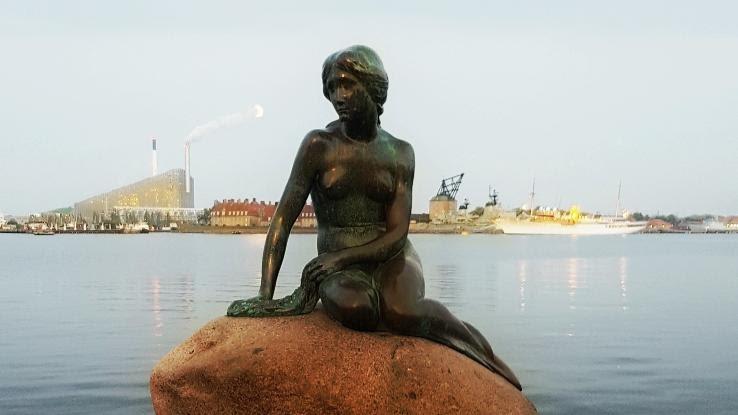
Sirenomelia is an aptly named condition. Information technology'south also known as "mermaid syndrome" considering of the significant and distinctive abnormalities it causes. Mermaid syndrome describes a condition in which a person's legs form together every bit i instead of separately during fetal evolution. This creates the await of a mermaid tail.
The condition tin can also lead to missing parts of the lower spine, bug with kidney function and pelvic abnormalities. Those with the condition as well lack aortic branching, which can pb to serious complications later in life, such as centre failure, heart defects and problems with mobility.
Cyclopia
It may exist a trope in comic books, merely cyclopia isn't entertaining. With this condition, a baby is born with but one eye. The congenital defect happens in the womb when the ii heart sockets fail to divide during early on development.
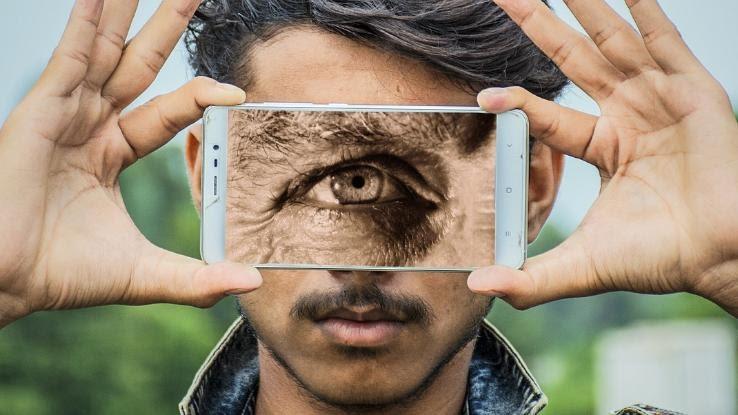
This too leads to development issues with the fetus's nose, which may non be present at all. If it is, it typically isn't functional. When this genetic mutation happens, afflicted fetuses are likely to be stillborn or miscarried. Babies born with cyclopia typically only alive for a few hours later on birth.
Human Vestigiality
Vestigiality usually refers to traits or features that used to exist in living creatures (or potentially existed in those creatures, humans included) just phased themselves out of the evolutionary picture because they were no longer necessary for survival. The most notable of these in people is the tailbone — our early ancestors had tails. Some people still form tails.
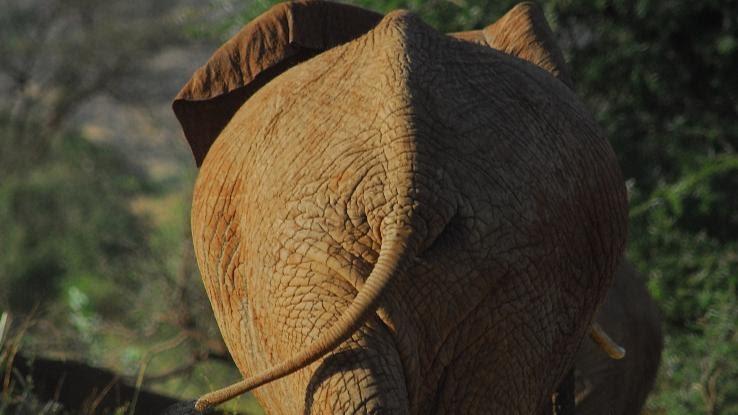
When the coccyx bone in the spine runs longer than information technology'southward supposed to, it generally sticks out and resembles the tail of an animal. Many examples of this defect are nowadays in modern-day medicine and even referenced in movies such as Shallow Hal. Appendixes and wisdom teeth are also vestigial torso parts.
Gigantism
Just every bit the name suggests, gigantism is a genetic mutation that causes a person to grow much larger than the average man beingness. The rare disorder occurs when the trunk's growth hormone production increases, causing the body to accelerate growth during or directly after a person hits puberty.
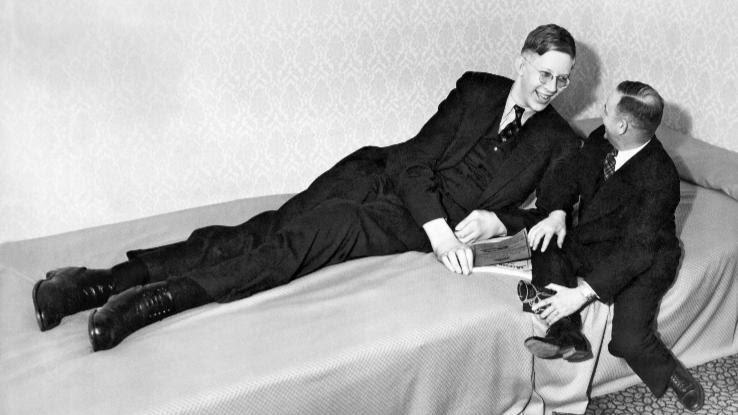
There have been a lot of famous instances of gigantism. People who had this status include Andre the Behemothic, John Rogan and Robert Wadlow. Babies born with the disorder tend to be of normal weight and size and don't start their all-encompassing growing until later.
Underwater Vision
Homo eyes usually aren't that adept at seeing underwater because of the express amount of refracted light that's able to get through. 1 rare genetic disorder that affects a small number of people in Thailand makes them able to encounter everything underwater quite clearly.

The rare disorder — or possible gift — only appears in this small population. It's causeless that considering they spend well-nigh of their lives in and around the water, they've adapted or evolved to be able to come across things underwater, such as creatures subconscious in the seabed, that most other people can't.
Polymelia
Polymelia is categorized as a birth defect that causes a fetus to develop extra limbs. It'south as well theorized that the limbs were one time office of a conjoined twin that was captivated while in utero. The extra limbs are, in many cases, significantly deformed and may non role.
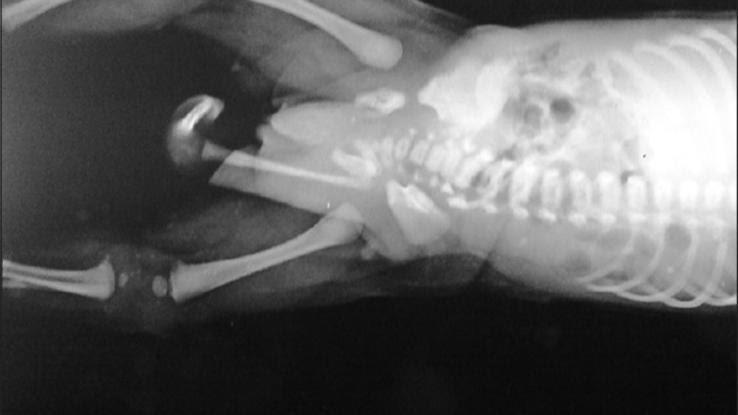
In a lot of cases, the limb can really crusade bug for the child born with it. If the limb is positioned between the 2 legs and attached to a certain expanse of the body, it causes another condition, dipygus, which is described as "a congenital deformity where the body axis forks."
Polycephaly
The phenomenon of having 2 heads isn't just in myths or fairy tales. The rare genetic disorder, although mostly attributed to animals, has happened in humans. In humans, the condition more often than not occurs with conjoined twins that share the same body or conjoined twins that are joined by the head, ear or brain.
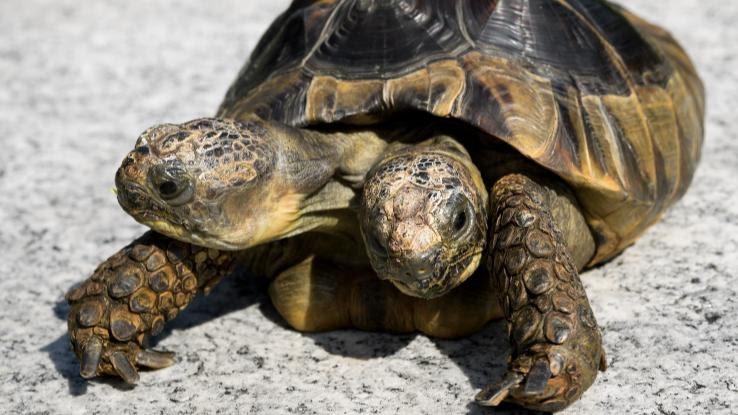
Having two heads can cause serious problems, depending on how they're connected. In cases of conjoined twins with two heads that are completely separate, there are ii full minds that use one body. In cases in which the brains or heads are connected, severe health problems generally occur.
Reptilian Atavism
Reptilian atavism is another genetic mutation that isn't visual but instead occurs within a person'southward body. That doesn't make information technology whatsoever less odd — or interesting. The status is so rare in humans that there accept but been a couple of cases documented in the history of the world.
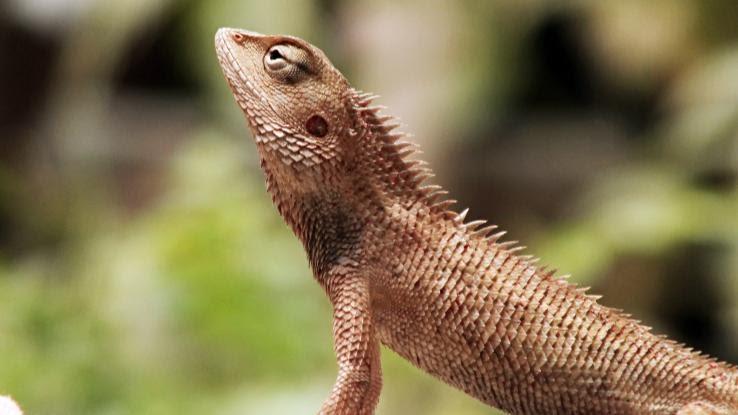
Reptilian atavism happens when one or more parts of the man trunk develop in the same way they would in a reptile. The documented cases of this include a person developing a heart that had the same construction as the heart of a serpent.
Congenital Methemoglobinemia
Congenital methemoglobinemia is a condition that affects the appearance of a person'south skin, lips and nails. This autosomal defect causes a person'south skin to plow blue. Information technology's hereditary and is and then rare that the number of cases in the world remains unknown.

This defect alters a molecule within a person's hemoglobin, affecting the way oxygen is carried throughout a fetus's body while in development. Both parents have to possess the mutated gene for the condition to develop, and both parents could announced completely unaffected while still passing on the mutation.
Supernumerary Teeth
The rare condition called hyperdontia occurs when more teeth develop in a person's mouth than usual. Supernumerary teeth are by and large found in people who also have the rare genetic disorder Gardner'due south syndrome.
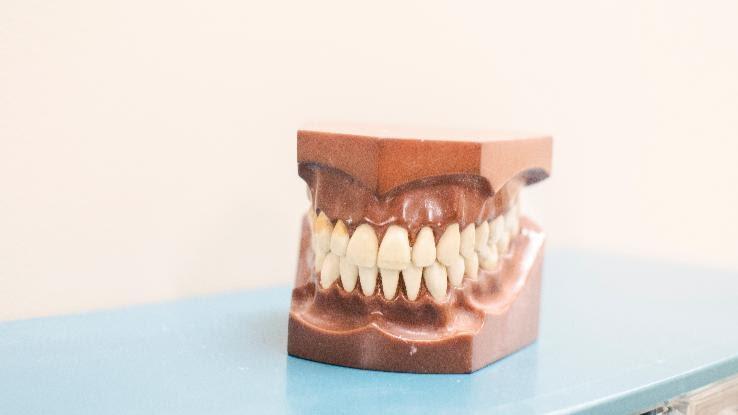
There are a few dissimilar types of supernumerary teeth, and the type usually depends on the placement of the teeth inside the mouth. Ane type, conical, is commonly rooted and develops around the incisors. The supplemental type normally forms as infant teeth develop, and these fall out along with the baby teeth.
Diprosopus
Dissimilar other genetic mutations that cause extra limbs or heads, diprosopus doesn't involve a conjoined twin. This genetic disorder is characterized every bit creating "craniofacial duplication," significant that certain parts of the face up or caput are doubled (or duplicated.)
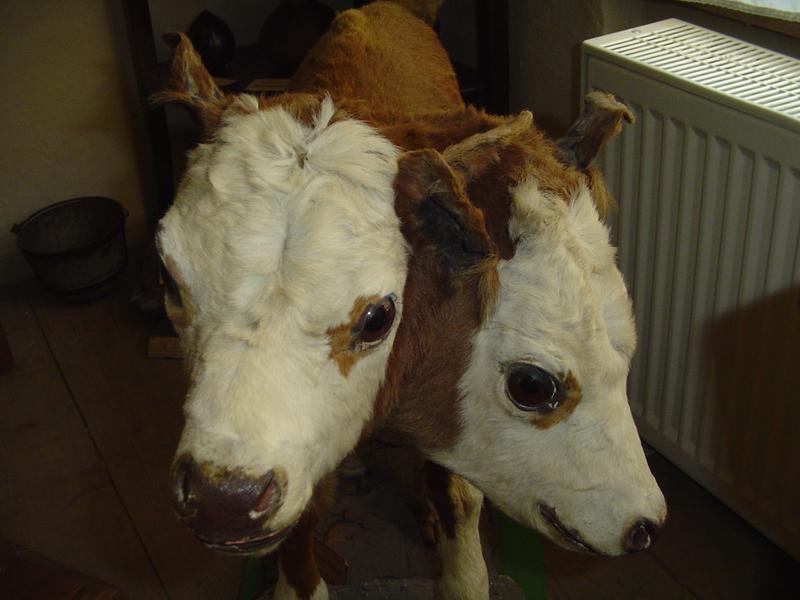
This is generally caused by an abnormality with the torso's Sonic Hedgehog protein (named after the game!). Diprosopus is extremely rare; fewer than forty cases of the congenital defect have always been recorded in humans since it was discovered in the belatedly 1800s.
Fibrodysplasia Ossificans Progressiva
Fibrodysplasia ossificans progressiva, otherwise known as FOP, is a genetic defect that is nowadays in fewer than i in 2 1000000 people worldwide. Unlike many other genetic defects, FOP is a disabling condition that has no treatment or cure.
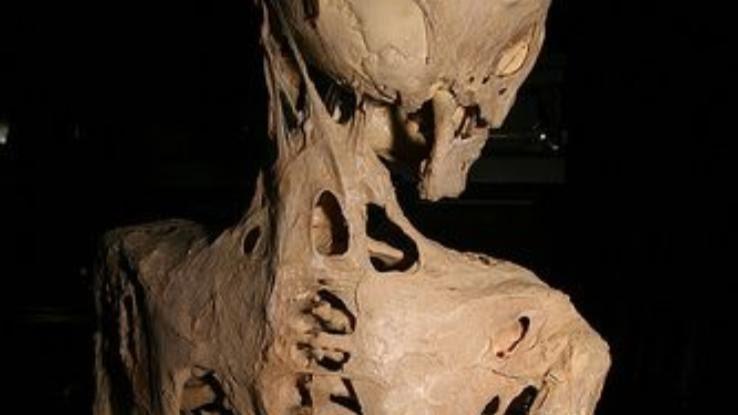
FOP occurs when the tissues and ligaments in a person's trunk brainstorm to calcify, eventually turning into bone. The painful process is the merely disorder in which one organ system changes into some other within the trunk. Movement is significantly impaired in people with FOP, and it eventually claims the life of anyone who has it.
CIPA
Congenital insensitivity to pain with anhidrosis (CIPA) is a genetic condition in which the person with the defect has a limited ability — or no ability at all — to feel pain. It's classified as an autosomal recessive disorder and is passed down from a person's parents.
The signs of CIPA start equally early as infancy, and because the disorder likewise prevents sweat glands from functioning properly, infants with the disorder may end upward experiencing seizures considering of their inability to regulate their body temperatures.
Osteogenesis Imperfecta
Breakable bone illness is a rare genetic disorder that causes the basic in a person's body to exist especially susceptible to breaks, fifty-fifty with very piddling force applied. The disease can range in severity and tin be attributed to issues with collagen product and connective tissue.
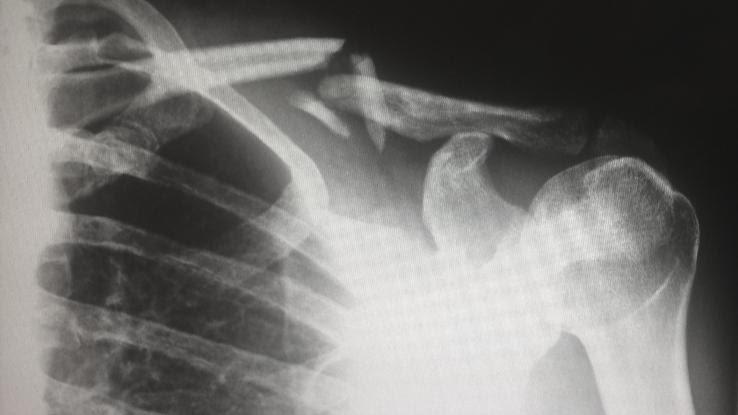
The condition is hereditary. Other symptoms include lung issues, middle problems and blue coloring of the whites of the eyes. The condition might sound familiar — One thousand. Night Shyamalan's grapheme Elijah Toll from the films Unbreakable and Drinking glass suffers from the painful condition.
Treacher Collins Syndrome
The autosomal dominant genetic disorder Treacher Collins syndrome, often shortened to TCS, is caused by a new mutation in a person'southward genes. This means a person's parents don't pass them the gene; however, the condition can be hereditary in rare cases. TSC causes a wide array of physical deformities, frequently involving the ears, optics, chin, cheekbones and other parts of the face.
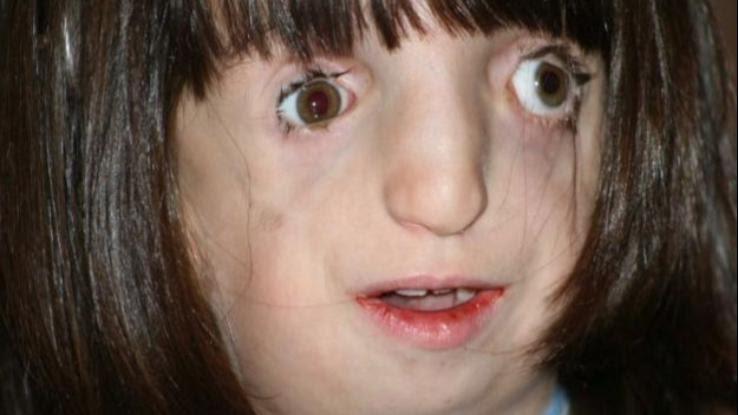
The condition can be serious and tin cause severe health complications, including problems with lung chapters and loss of hearing. The lifespan of those with TSC ranges, but most can alive long and healthy lives with facial reconstruction and adaptive aids.
Chimerism
Yous may know a bubble equally a mythological brute or acquaintance the term with animals, but instances of the genetic aberration practise exist in humans. The mutation occurs when certain strands of cells in the body become muddled and claret mixes in the wrong way. It causes a person to carry ii unlike sets of DNA.
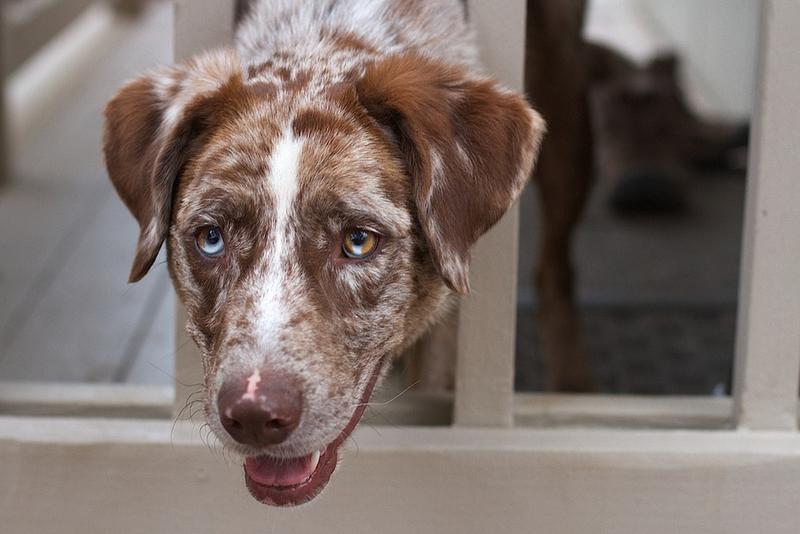
This, in plough, affects the person'due south development and can contribute to chimera-similar attributes. It'due south not a hard condition, though, equally information technology doesn't crusade much pain or loss of life. The condition can also arise when one congenial twin dies in the womb and the remaining fetus absorbs it.
Myostatin
Myostatin, otherwise known as "double muscle mutation," is characterized by the presence of double the muscle that a person's body would normally have. The most notable and known cases are those in small children who are super-stiff for their age and expected abilities.

The super-strength mutation is generally hereditary, and only ane parent has to possess the myostatin gene for a kid to develop this condition. Some cases have too been reported that are attributed to the myostatin receptors in the body, non the cistron. Myostatin is very rare in humans and is usually seen in animals.

What Is The Source Of Genetic Makeup For The Human Body?,
Source: https://www.life123.com/lifestyle/unique-genetic-mutations-humans?utm_content=params%3Ao%3D740009%26ad%3DdirN%26qo%3DserpIndex
Posted by: connollyshormilt1991.blogspot.com
0 Response to "What Is The Source Of Genetic Makeup For The Human Body?"
Post a Comment